Welcome to Stellario

Here you will find a lot of fascinating information about astronomy.

THE UNIVERSE

The origin of the universe

The most accepted scientific theory about the origin of the universe is the Big Bang. According to this theory, the universe began from an extremely dense and hot state about 13.8 billion years ago. From this initial point, the universe expanded and cooled, giving rise to the multitude of galaxies, stars and planets that we observe today.

Espace
Espace

The evolution of the universe

The universe continues to evolve. The theory of cosmic inflation suggests that it experienced an extremely rapid expansion in the first moments after the Big Bang. The fundamental forces of nature, such as gravity, electromagnetism, strong nuclear force and weak nuclear force, have played a crucial role in the formation and evolution of cosmic structures.

Composition of the universe

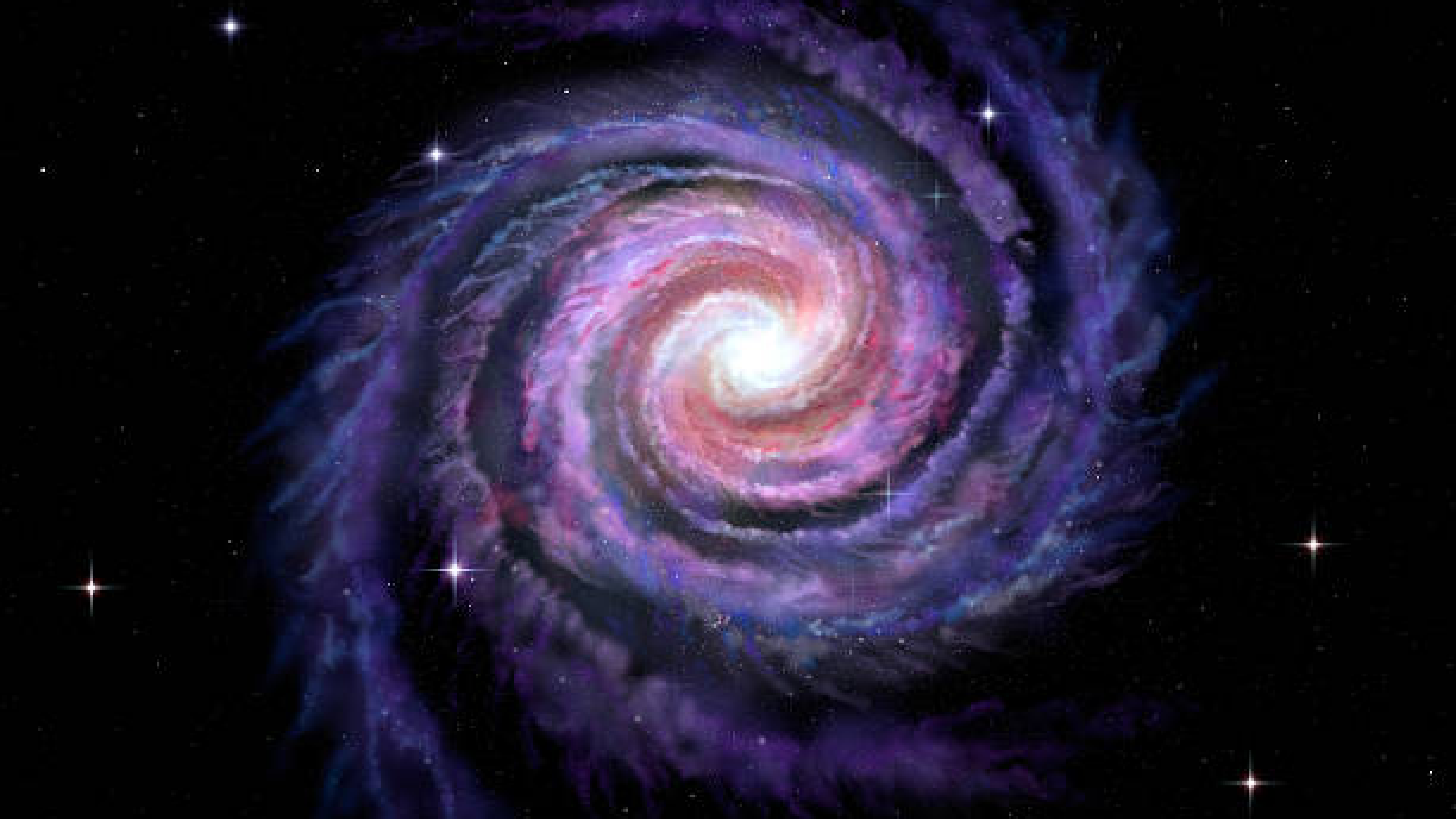
The universe, mainly composed of dark matter and dark energy, also offers an astonishing spectacle of cosmic diversity on a galactic scale. Within this vast expanse, our own galaxy, the Milky Way, plays a significant role. The Milky Way is a huge spiral of hundreds of billions of stars, including our own sun. Cosmic clouds of interstellar gas and dust color the celestial panorama, giving rise to nebulae and star-forming regions. The spiral arms of the Milky Way house solar systems, star clusters and various celestial objects. Our planet, Earth, orbits a star on the periphery of this galaxy, reflecting the diversity and complexity of stellar environments within the universe. The Milky Way, although huge on our scale, is only one of the billions of galaxies that inhabit the cosmos, each with its own intriguing features and unique history. To contemplate the composition of the universe is also to immerse oneself in the splendor of our own galaxy, a fundamental element of the cosmic mosaic that surrounds us.
Voie lactée
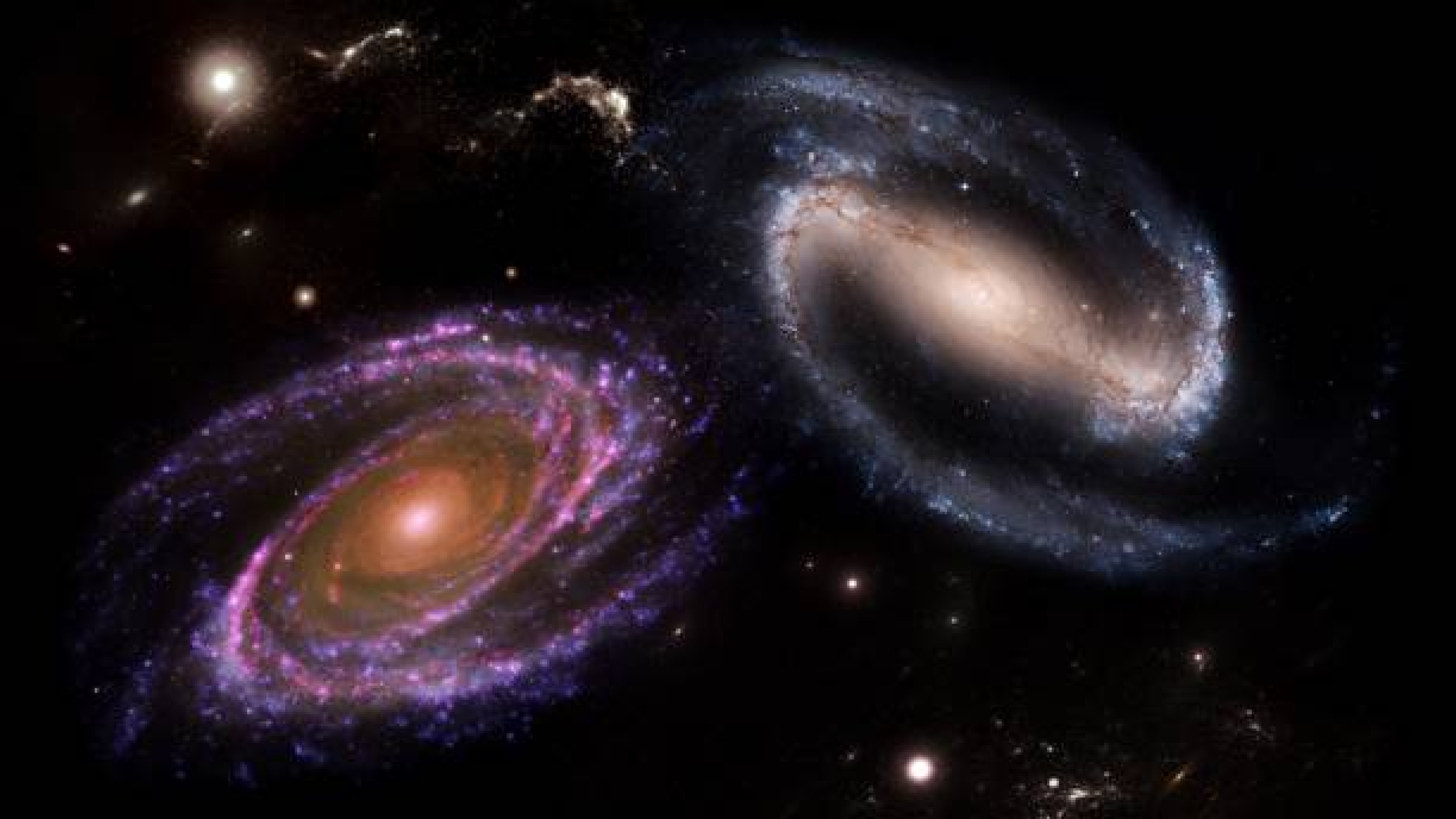
Colision

Fate of the universe

As the universe continues its infinite expansion, major cosmic forces can influence the fate of individual galaxies. An event of spectacular magnitude is envisaged for our own galaxy, the Milky Way, in the distant future. Observations suggest that the Milky Way could collide with the Andromeda Galaxy, an important cosmic neighbor. This galactic fusion, although planned on cosmic time scales, promises an epic encounter between two of the great spirals of the cosmos. As these two cosmic giants get closer, their stars, planets and solar systems will interact gravitationally, creating stellar perturbations on a galactic scale. Despite the apparent violence of this collision, the relative distances between the stars are so vast that the probability of a direct collision between two individual stars remains extremely low. Nevertheless, this event marks an exciting chapter in the evolutionary history of our corner of the universe, demonstrating the dynamics and complexity of the forces that sculpt galaxies over time. This distant collision offers an intriguing glimpse into the future evolution of our galaxy and the extraordinary cosmic ballet that unfolds on cosmic time scales.

A few articles

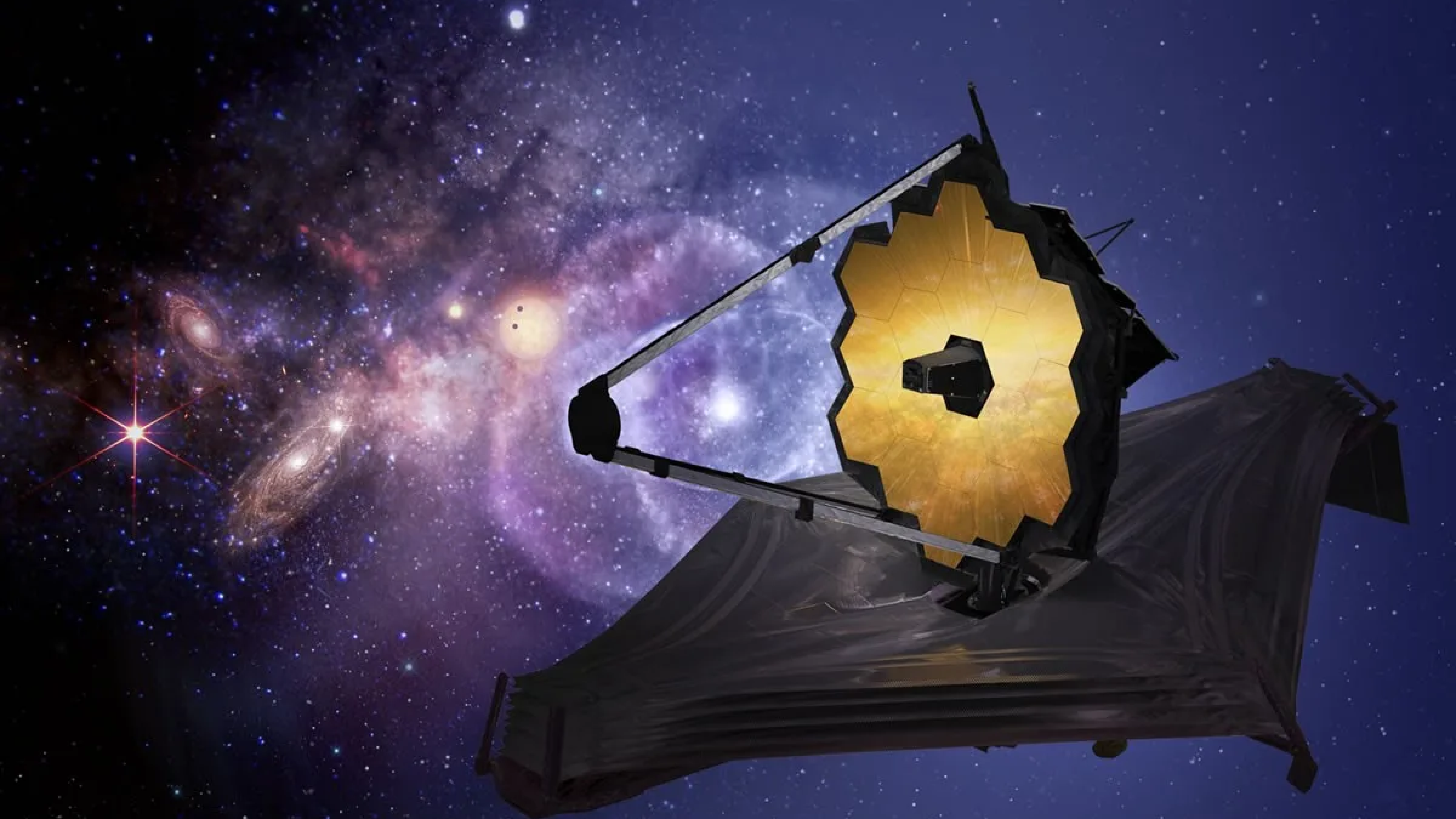
James Webb

James Webb Space Telescope (JWST)

Launched in December 2021, the JWST is the most powerful space telescope ever built. It is designed to study the universe in the infrared and should provide important information on the formation of stars, galaxies and planetary systems.

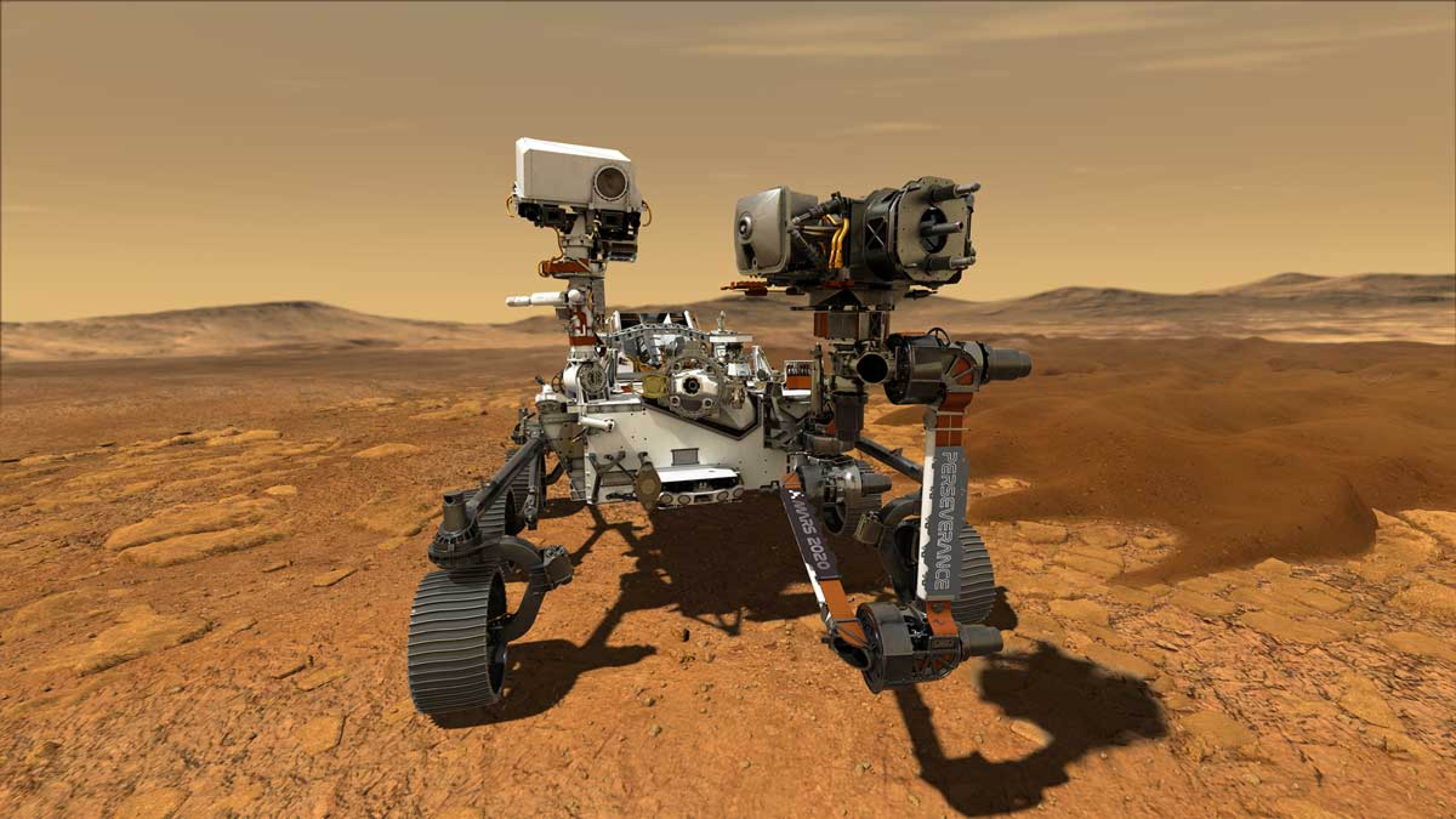
Rover mars

Mars Perseverance Rover

In February 2021, NASA successfully landed the Perseverance rover on Mars. Its mission is to look for signs of past life and collect rock samples for possible return to Earth.

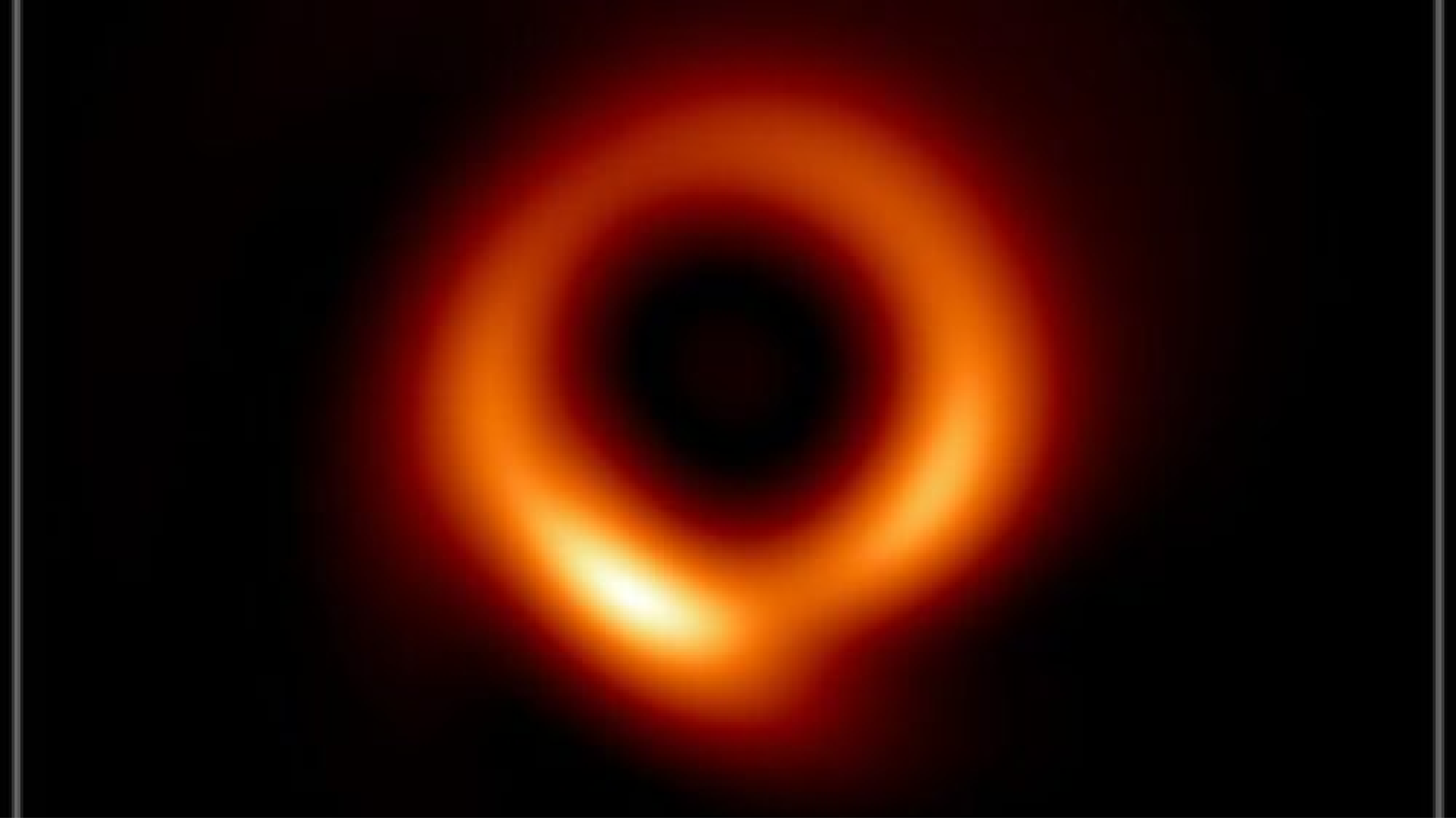
Trou noir

Photographed black hole

In April 2019, the first shot of a black hole was captured by the global radio telescope network, Event Horizon Telescope (EHT). This historical image provided valuable information about black hole physics.

Interesting videos on the subject

C'est pas sorcier -Le système solaire

Logo c'est pas sorcier

C'est pas sorcier

Comment l’univers est-il vraiment né ?! (troublant…)

Logo c'est pas sorcier

Zebroloss

Le mystère des trous noirs (Documentaire)

Logo c'est pas sorcier

Zebroloss