ECLIPSES
Eclipses are fascinating astronomical events that occur when the light of one star is obscured by another. There are mainly two types of eclipses: solar eclipses and lunar eclipses.
Solar Eclipse :
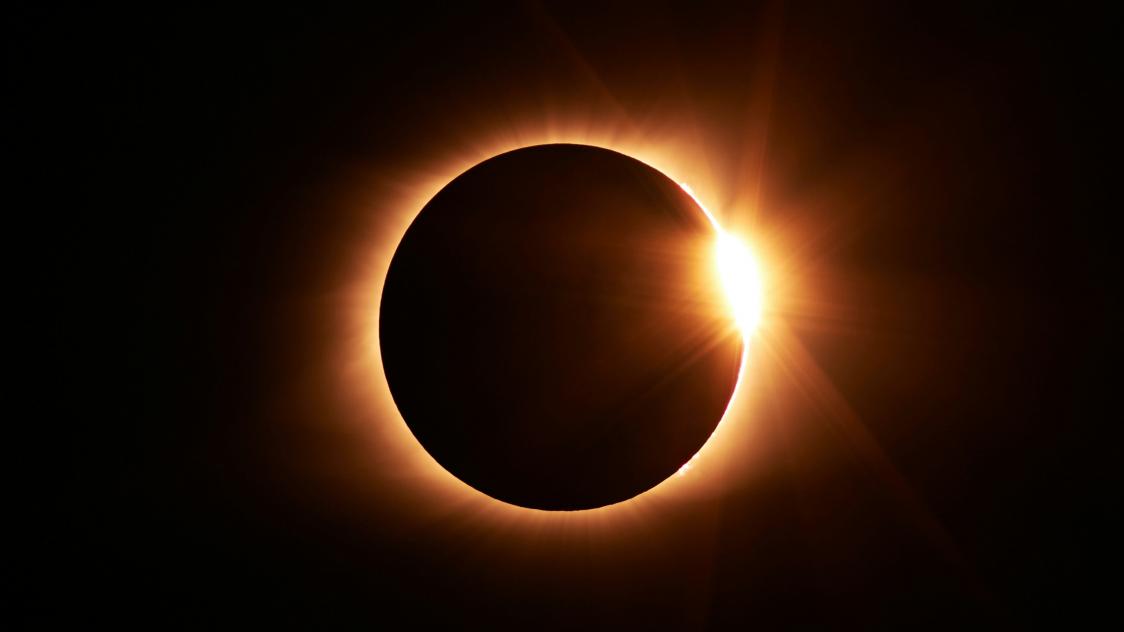
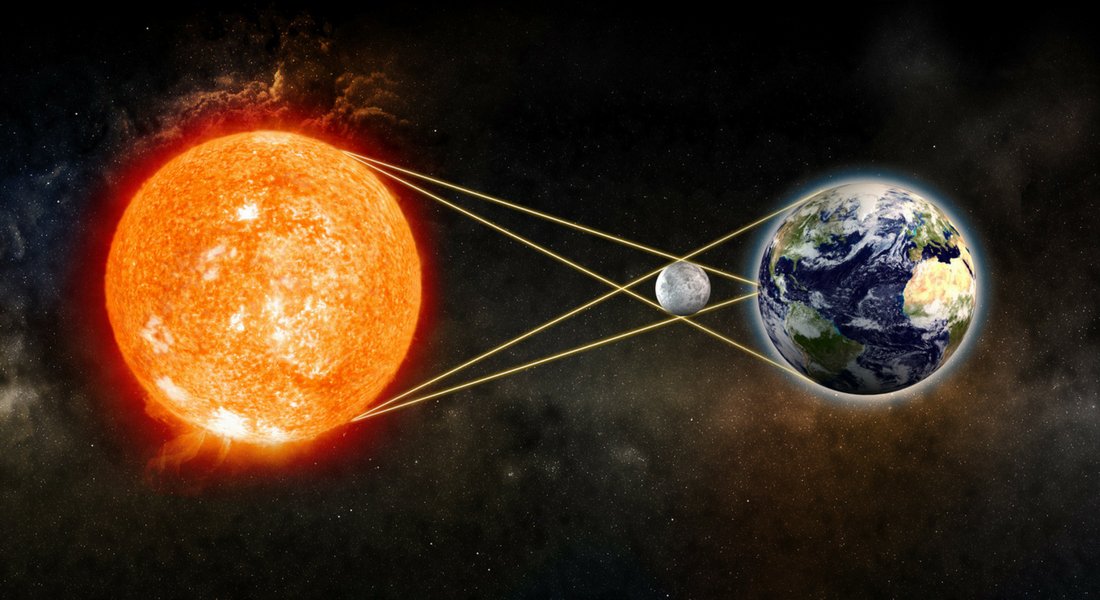
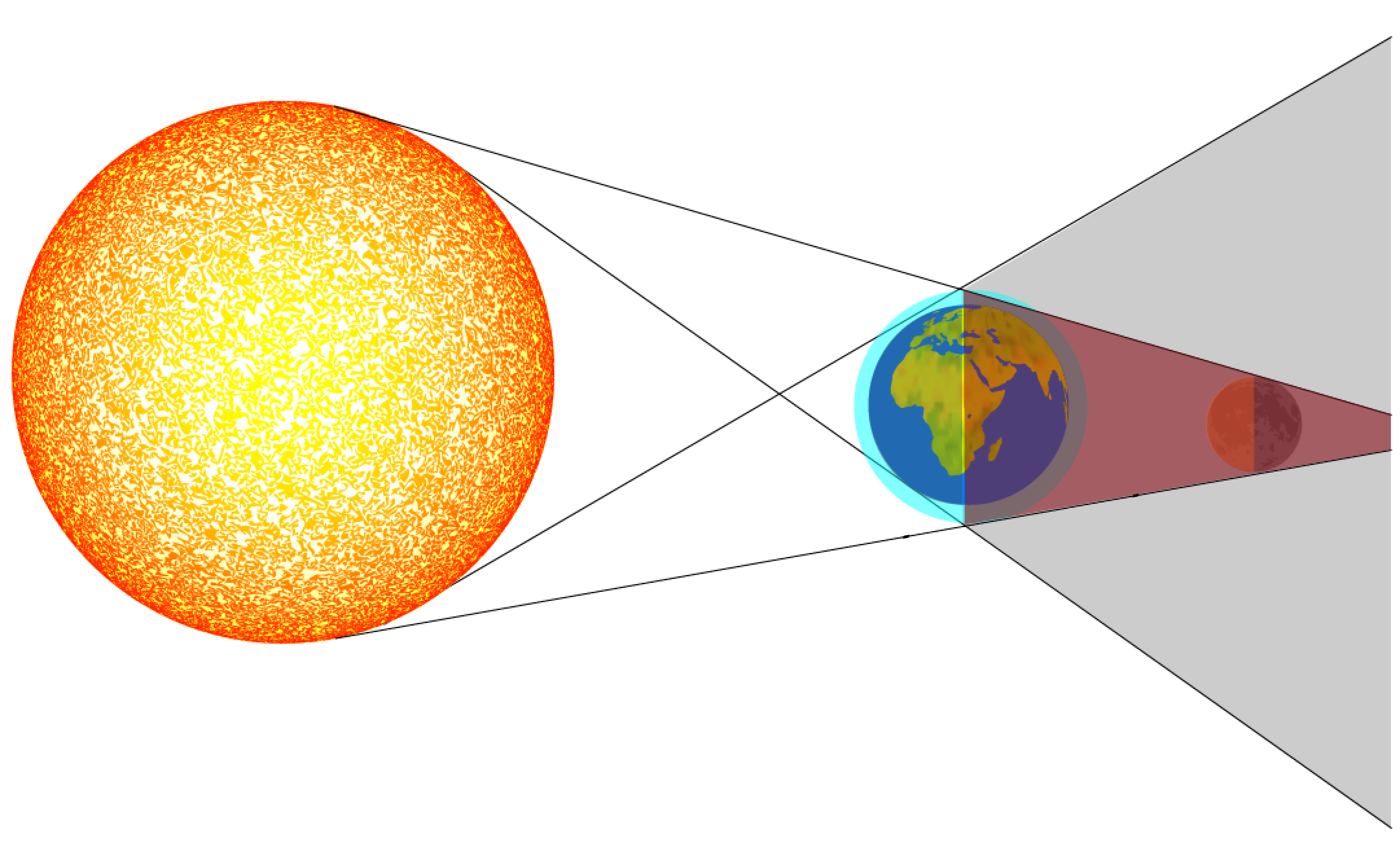
- During a solar eclipse, the Moon passes between the Earth and the Sun, partially or totally obscuring the light of the Sun seen from the Earth.
- There are different types of solar eclipses, including total, partial, and annular eclipses, depending on the relative position of the Earth, Moon, and Sun.
Lunar Eclipse :
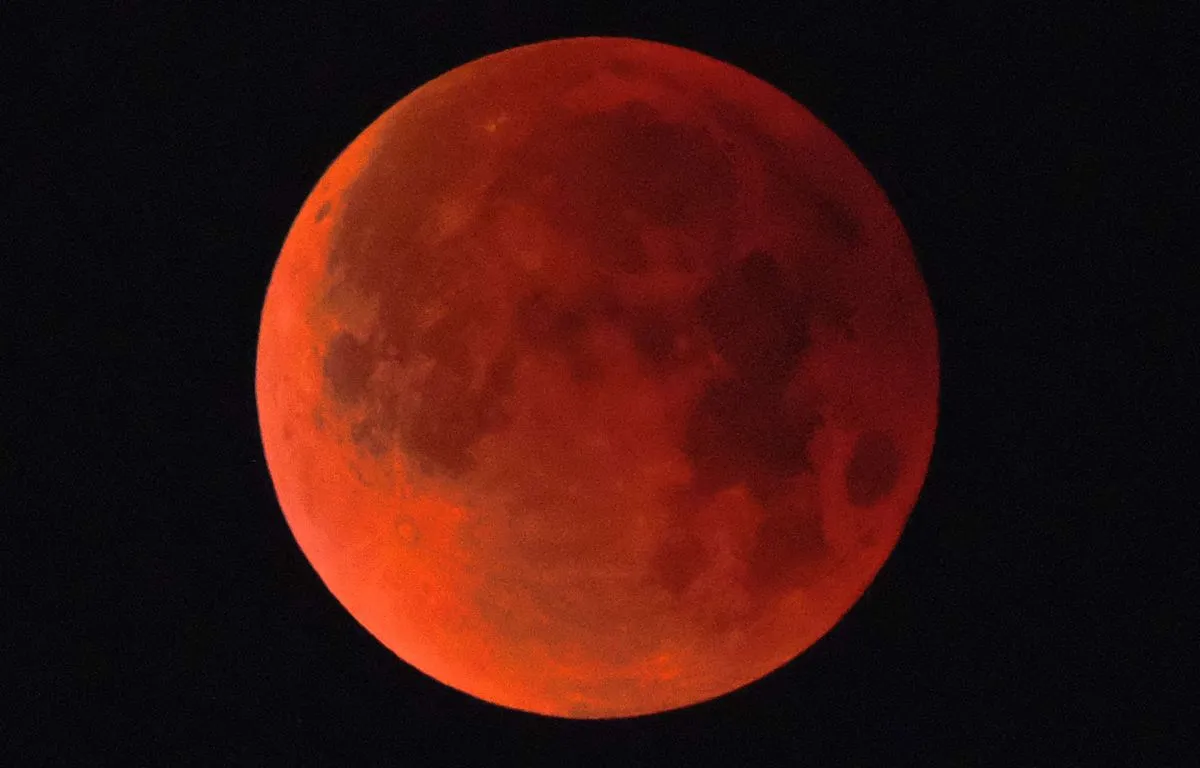
- During a lunar eclipse, the Earth lies between the Sun and the Moon, casting its shadow on the Moon and darkening its surface.
- As with solar eclipses, there are different types of lunar eclipses, including total, partial, and penumbral eclipses, depending on the relative position of the Earth, Moon, and Sun.
Solar and lunar eclipses occur at different times due to the respective orbits of the Earth and Moon around the Sun. Solar eclipses occur during the new moon when the Moon is between the Earth and the Sun, while lunar eclipses occur during the full moon when the Earth is between the Sun and the Moon.
Eclipses are relatively rare events and can be observed from different parts of the world depending on their trajectory. Astronomers and astronomy enthusiasts often plan trips to observe total solar eclipses, which offer a spectacular experience by temporarily obscuring the daytime sky and revealing the solar corona.
Solar eclipse
Lunar eclipse
In 2024, a total solar eclipse is scheduled for April 8. This solar eclipse will cross several regions of North America, offering a unique opportunity for observation for people living in these areas or for those who are willing to travel for the event. Here are some details about this solar eclipse:
Date and Time : The total solar eclipse of April 8, 2024 will occur at different times depending on the geographical location. In some areas it will start in the morning and in others it will occur in the afternoon.
Trajectory : The totality band, where the solar eclipse will be visible in its entirety, will cross several states of the United States, including Texas, Arkansas, Illinois, Indiana, Ohio, Vermont, New Hampshire and Maine. It will also cross some provinces of Canada and end in the North Atlantic.
Duration : The duration of the totality will vary along the path of the eclipse, ranging from a few seconds to more than four minutes in some regions.
Observation Precautions : It is crucial to take special precautions when observing a solar eclipse to protect your eyes. Looking directly at the Sun without proper protection can cause serious eye damage. Use special sunglasses for solar eclipse certified and approved by reliable sources to observe safely.
Observation : Total solar eclipses offer a spectacular experience, with the momentary disappearance of the Sun behind the Moon and the appearance of the solar corona. This is a unique event not to be missed for astronomy enthusiasts and curious.
As with any astronomical observation, be sure to check local information and safety recommendations specific to your region before planning your solar eclipse observation.
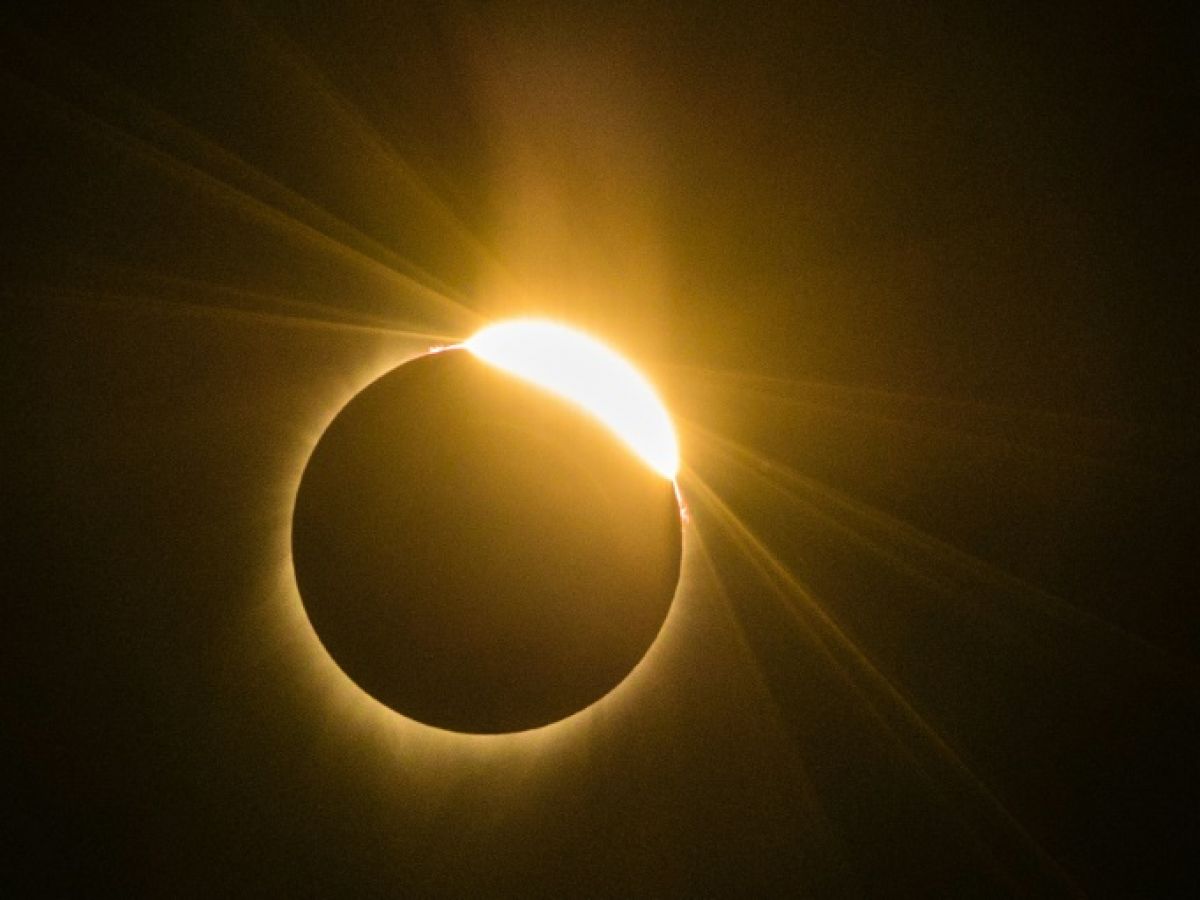
Solar eclipse of April 8, 2024 photograph
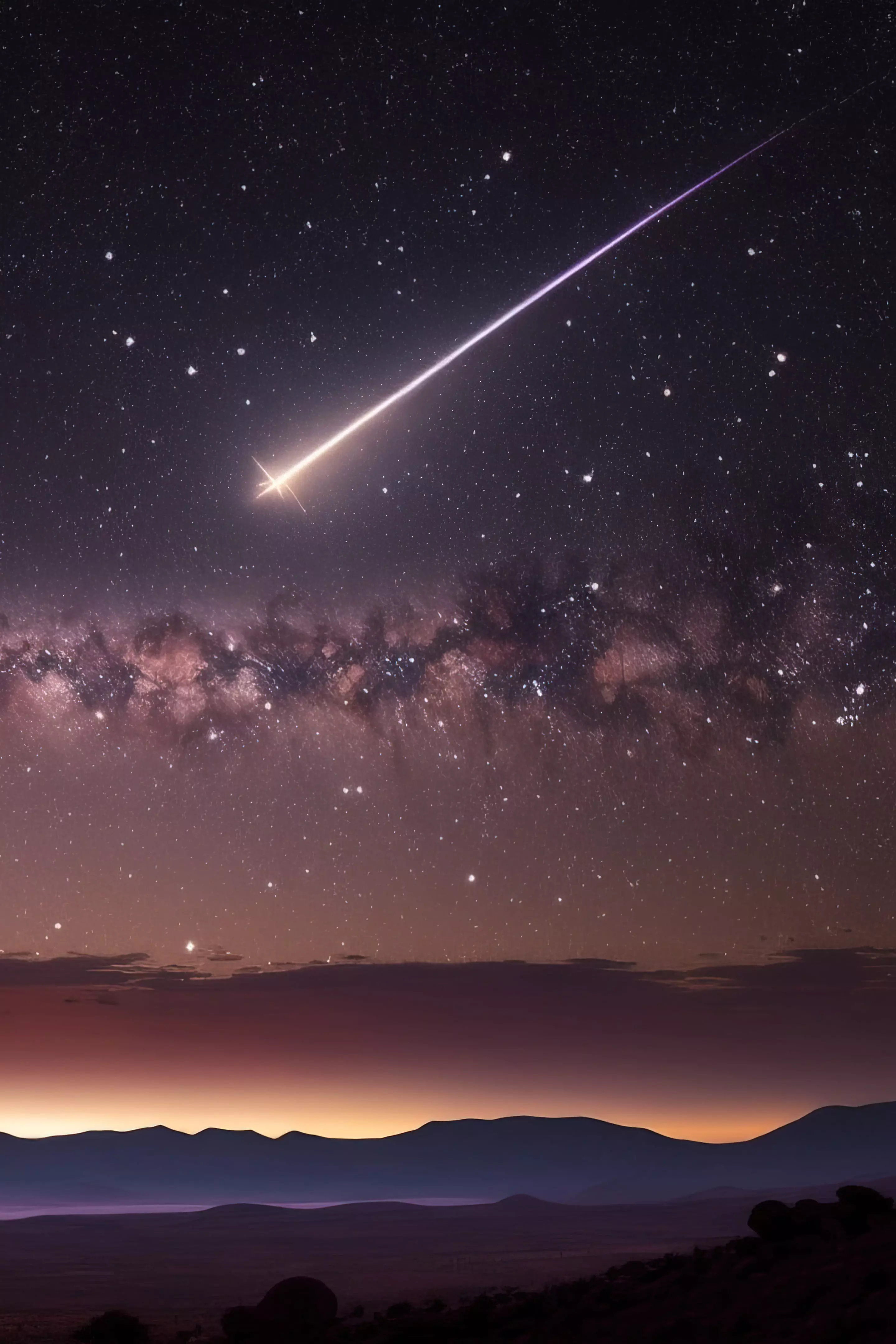
METEORS, SHOOTING STARS
Meteors, also called shooting stars, are fascinating astronomical phenomena that occur when fragments of dust, rock or metal enter the Earth’s atmosphere at high speed, generating a luminous trail visible from the surface of the Earth. Here is some information about meteors :
Origin :
- Meteors are usually debris left by comets or asteroids that orbit the Sun. When the Earth crosses the path of a comet or asteroid, debris particles collide with our atmosphere and burn due to friction, creating meteors.
Appearance :
- Meteors appear as luminous dots that move rapidly across the night sky. They can vary in brightness, from simple bright trails to spectacular fireballs. The color of meteors can also vary depending on the composition of debris particles.
Perseids and other Meteor Showers :
- Some times of the year are associated with peaks in meteoric activity known as meteor showers. The Perseids, for example, are an annual meteor shower that occurs in August when the Earth passes through the debris left by comet Swift-Tuttle.
- Other famous meteor showers include the Quadrantids in January, the Lyrids in April, the Orionids in October, and the Geminids in December.
Observation :
- To observe meteors, it is recommended to find a place away from sources of light pollution, such as cities, and to look at the night sky during periods of low lunar light.
- Meteors can be observed with the naked eye, and there is no need to use astronomical equipment. Just sit back and look at the sky for a few minutes to get the chance to see meteors.
Meteorites :
- If a fragment of debris survives its passage through the atmosphere and reaches the surface of the Earth, it is called meteorite. Meteorites can provide valuable information about the composition and origin of the solar system and are often studied by scientists.
In summary, meteors are captivating astronomical phenomena that offer an enchanting night show for sky observers. Whether during annual meteor showers or occasional observations, meteor observation can be a memorable and inspiring experience.
Shooting stars are popular and fascinating astronomical phenomena that often captivate sky observers. Here is some information about shooting stars :
Definition : Shooting stars, also called meteors, are fragments of dust or space debris that enter the Earth’s atmosphere at high speed, creating luminous trails when they burn due to air friction.
Origin : Shooting stars usually come from dust and debris left behind by comets or asteroids. When Earth crosses the path of a comet or asteroid, debris particles collide with our atmosphere, creating shooting stars.
Appearance : Shooting stars appear as bright spots that move rapidly across the night sky. They can vary in brightness, some being very bright and visible even in conditions of high light pollution, while others are more discreet.
Perseids and Other Meteor Showers : Some times of the year are associated with peaks in meteoric activity known as meteor showers. The Perseids, for example, are an annual meteor shower that occurs in August when the Earth passes through the debris left by comet Swift-Tuttle. Other famous meteor showers include the Quadrantids in January, the Lyrids in April, the Orionids in October and the Geminids in December.
Observation : To observe shooting stars, it is recommended to find a place away from sources of light pollution, such as cities, and to look at the night sky during periods of low lunar light. Shooting stars can be observed with the naked eye, and there is no need to use astronomical equipment.
Cultural Significance : Shooting stars have often been associated with supernatural or magical phenomena in cultures around the world. In many traditions, making a wish by seeing a shooting star is considered an act of luck or good omen.
In summary, the shooting stars offer an enchanting celestial spectacle accessible to all, inspiring wonder and contemplation for millennia. Whether during an annual meteor shower or an occasional observation, observing shooting stars can be a memorable and inspiring experience.
Shooting star